
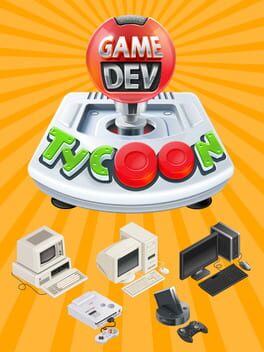
10 games similar to Game Dev Tycoon, a Indie, Strategy, Simulator game, drawn from IGDB's similarity data. Each pick below notes the genres it shares with Game Dev Tycoon.
 01Shares IndieSimulatorStrategy
Both games center on management simulation where you build and expand an operation from the ground up. Judgment tasks you with constructing and defending a post-apocalyptic colony, mirroring Game Dev Tycoon's focus on strategic resource allocation and long-term planning. Each game emphasizes incremental growth and decision-making across multiple systems, wrapped in an indie strategy framework with Steam integration.
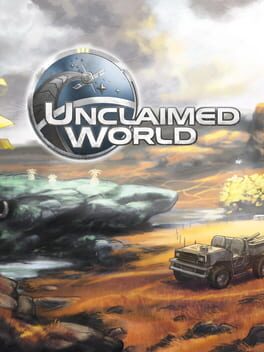 02Shares IndieSimulatorStrategy
Both games are indie strategy simulators with isometric perspectives that emphasize resource management and adaptation. Unclaimed World shifts the tycoon formula from game development to colony building, where you research technologies, manage limited resources, and respond to dynamic threats from the environment. Like Game Dev Tycoon, it rewards planning and strategic decision-making across extended play sessions.
 03Shares IndieSimulatorStrategy
Startup Company mirrors Game Dev Tycoon's business simulation structure, putting you in charge of building a company from scratch and competing against established rivals. Both games use isometric perspective and emphasize management decisions like resource allocation and technology research. Where Game Dev Tycoon focuses on the gaming industry, Startup Company shifts the setting to web development, but the core tycoon gameplay and single-player sandbox progression remain fundamentally similar.
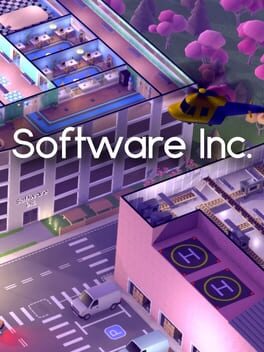 04Shares IndieSimulatorStrategy
Software Inc. shares Game Dev Tycoon's tycoon management structure, where you build a company from the ground up and compete against rivals. Both games use isometric perspective and require you to hire staff, manage their skills and satisfaction, and release products to dominate the market. Software Inc. expands the formula by letting you design physical office spaces and adds cooperative multiplayer alongside single-player campaigns.
 05Shares SimulatorStrategy
Rise of Venice shares Game Dev Tycoon's isometric perspective and management-focused strategy structure. Both games task you with building an empire from modest beginnings, making smart decisions about resource allocation and expansion across multiple locations. Where Game Dev Tycoon tracks game sales and market trends, Rise of Venice emphasizes trading routes and fleet management, but the core loop of growing your operation through shrewd choices remains similar.
 06Shares IndieSimulatorStrategy
Another Brick in the Mall shares Game Dev Tycoon's core loop of building and expanding a business from the ground up. Both games emphasize management and strategy as you hire staff, make decisions about what to offer, and watch your enterprise grow. The single-player tycoon structure remains the same, though you're constructing a shopping mall instead of a game studio.
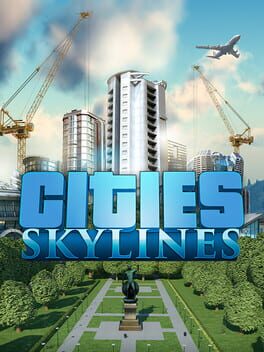 07Shares SimulatorStrategy
Cities: Skylines shares Game Dev Tycoon's management-focused simulation structure, where you balance resources and make strategic decisions to grow your operation over time. Both use an isometric perspective and feature Steam integration with achievements and trading cards. Like managing a game studio, building a city requires juggling budgets, unlocking new options as you progress, and adapting to systemic challenges that emerge as your project scales.
Games like Cities: Skylines → 08Shares IndieStrategy
Both games share a bird's-eye isometric perspective that makes management feel tangible and immediate. Endless Legend applies the same strategic depth and long-term planning that Game Dev Tycoon demands, but to civilization-building instead of studio operations. Each requires balancing resources, researching technologies, and adapting to competition. Both reward methodical decision-making across multiple playthroughs.
 09Shares IndieSimulatorStrategy
Both games cast you as an entrepreneur building an empire across historical eras, starting small in the early 1900s or 1980s and expanding through technological progress. Mashinky shares Game Dev Tycoon's isometric perspective and management focus, requiring you to optimize operations and adapt to industry changes. The procedurally generated maps and strategic depth echo the tycoon formula of researching advancements to stay competitive.
 10Shares IndieSimulatorStrategy
Both games are management simulators where you build and expand an institution from the ground up, making strategic decisions that affect long-term success. Like Game Dev Tycoon's focus on game development, Academia puts you in charge of a school, balancing resources and facilities to create the best outcomes. Each shares an isometric perspective and the core loop of planning, managing, and watching your operation grow.
Frequently asked
10 games similar to Game Dev Tycoon: Judgment: Apocalypse Survival Simulation, Unclaimed World, Startup Company, Software Inc., Rise of Venice, Another Brick in the Mall, Cities: Skylines, Endless Legend.
Most of these games share Strategy, Simulator, Indie and Business with Game Dev Tycoon, based on IGDB's similarity data. Each pick has a short note explaining what it has in common with Game Dev Tycoon.