Deal me a match
Games like Rogue Legacy
10 games similar to Rogue Legacy, a Indie, Platform, Adventure, Role-playing (RPG), Puzzle game, drawn from IGDB's similarity data. Each pick below notes the genres it shares with Rogue Legacy.
 01Shares AdventurePuzzleRole-playing (RPG)
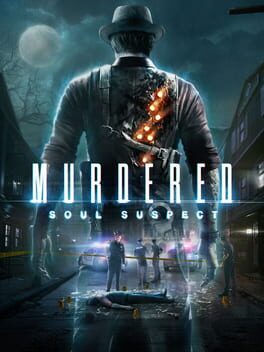
Both games center on death as a core mechanic that drives the narrative forward. Rogue Legacy uses canonical death to spawn new characters with randomized traits, while Murdered: Soul Suspect begins after the protagonist's murder and explores the afterlife. Each game treats death not as failure but as progression, unfolding story through repeated cycles and supernatural themes that blend action with mystery.
 02Shares AdventureIndiePlatformRole-playing (RPG)
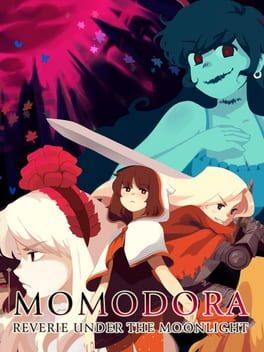
Both games blend action platforming with RPG progression through a side-view perspective, grounded in pixel art fantasy worlds. Momodora shares Rogue Legacy's focus on exploration and combat mastery, though it trades randomized succession for a single female protagonist's journey. Where Rogue Legacy emphasizes trait variety across playthroughs, Momodora deepens engagement through melee combos, dodge mechanics, and magic spells that reward skillful play.
 03Shares IndieRole-playing (RPG)
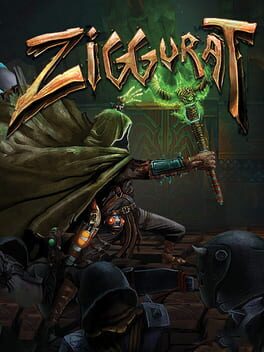
Both games build progression around procedural generation and roguelike structure, so each run feels fresh despite repeated playthroughs. Rogue Legacy randomizes character traits across generations; Ziggurat randomizes dungeons and wizard abilities across attempts. Both emphasize fast-paced action combat against tough bosses, and both reward learning patterns through multiple runs rather than single-session completion.
 04Shares AdventureIndiePlatformRole-playing (RPG)
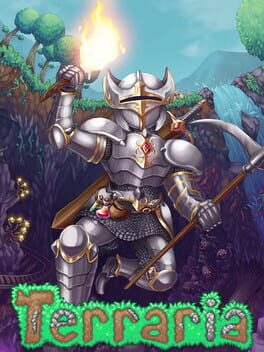
Both games center on boss fights as progression milestones and feature side-view combat with bows and arrows. Terraria shares Rogue Legacy's randomly generated dungeons and death as a core mechanic, though it emphasizes exploration and resource gathering across procedurally generated biomes rather than family succession. The action-adventure structure and pixel art aesthetic create similar moment-to-moment gameplay, with clowns appearing as enemies in both.
Games like Terraria →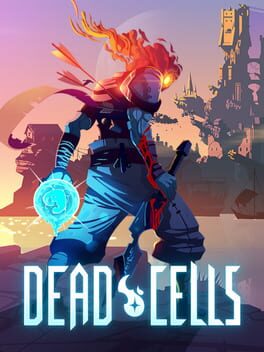 05Shares AdventureIndiePlatform
Both Rogue Legacy and Dead Cells build their action-platforming around permadeath runs where failure strips your progress but unlocks permanent upgrades for future attempts. Each game uses roguelike structure with randomized elements to vary playthroughs, and both feature pixel art combat rewarding skill and observation. Dead Cells shares the bow-and-arrow arsenal and side-scrolling perspective, making the moment-to-moment gameplay feel familiar despite its Metroidvania progression system.
Games like Dead Cells →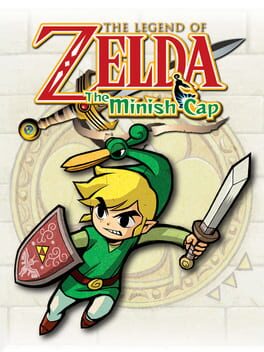 06Shares AdventurePuzzle
Both games center on action-adventure combat with boss fights that demand strategy and pattern recognition. The Minish Cap shares Rogue Legacy's use of bow and arrow combat and breaking the fourth wall for comedic effect. While Rogue Legacy emphasizes randomized character traits across generations, The Minish Cap offers comparable depth through its transformation mechanic, letting Link shift between human and Minish forms to solve puzzles and access new areas.
Games like The Legend of Zelda: The Minish Cap →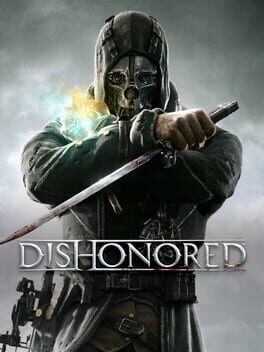 07Shares AdventurePuzzleRole-playing (RPG)
Both games center on action-adventure combat where bow and arrow play a key role, and both feature darkness as a core environmental element. Dishonored shares Rogue Legacy's focus on death as a mechanic that shapes progression, though here it drives narrative consequence rather than character succession. The stealth and supernatural abilities in Dishonored offer the same flexible, creative approach to challenge that Rogue Legacy's randomized traits provide.
Games like Dishonored →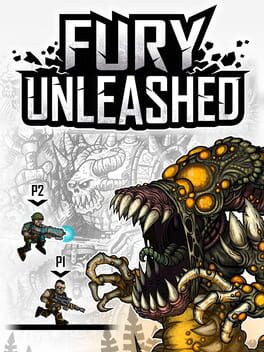 08Shares AdventureIndiePlatformRole-playing (RPG)
Both games break the fourth wall and center on death as a core mechanic, forcing you to restart after failure. Fury Unleashed shares Rogue Legacy's side-view action-platformer structure with boss fights and exploration, though it trades generational succession for a combo-driven shooting system. Each game rewards aggressive, stylish play and uses permanent upgrades to push you forward across multiple runs through a darkly comic world.
 09Shares AdventureIndieRole-playing (RPG)
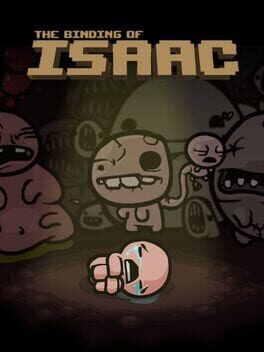
Both games layer randomized runs with character progression and boss fights that demand pattern recognition. The Binding of Isaac shares Rogue Legacy's dark comedy tone and uses procedural generation to ensure each playthrough feels distinct. Where Rogue Legacy cycles through family descendants with quirky traits, Isaac transforms through collected items that reshape his abilities, creating similarly unpredictable challenge runs.
Games like The Binding of Isaac →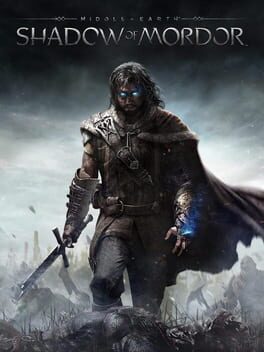 10Shares AdventureRole-playing (RPG)
Both games center on action-adventure combat with bows and darkness as recurring elements. Shadow of Mordor's counter-based melee system shares Rogue Legacy's rhythmic, skill-based fighting, though in a third-person open world rather than side-scrolling levels. Where Rogue Legacy randomizes character traits across playthroughs, Shadow of Mordor's Nemesis system gives enemies persistent memories and evolving tactics, creating dynamic encounters that shift with each encounter.
Games like Middle-earth: Shadow of Mordor →
Frequently asked
10 games similar to Rogue Legacy: Murdered: Soul Suspect, Momodora: Reverie Under the Moonlight, Ziggurat, Terraria, Dead Cells, The Legend of Zelda: The Minish Cap, Dishonored, Fury Unleashed.
Most of these games share Action, Adventure, Role-playing (RPG), Fantasy and Indie with Rogue Legacy, based on IGDB's similarity data. Each pick has a short note explaining what it has in common with Rogue Legacy.