Deal me a match
Games like Slay the Spire
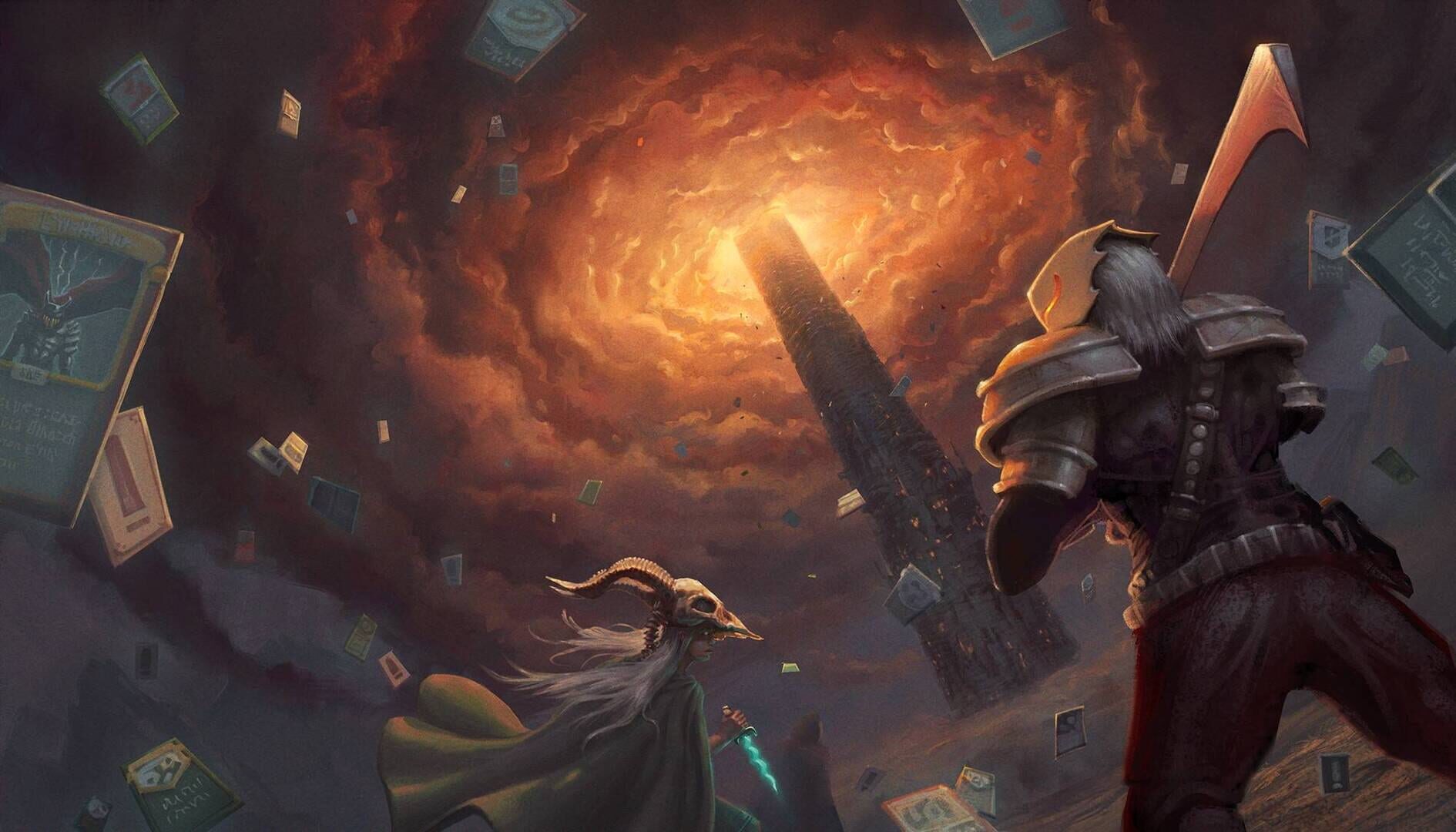
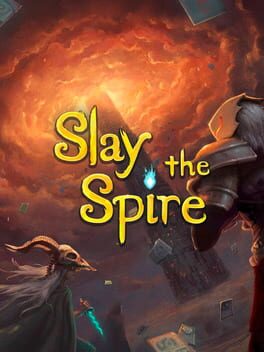
10 games similar to Slay the Spire, a Turn-based strategy (TBS), Indie, Strategy, Card & Board Game, Adventure, Role-playing (RPG) game, drawn from IGDB's similarity data. Each pick below notes the genres it shares with Slay the Spire.
 01Shares IndieRole-playing (RPG)Strategy
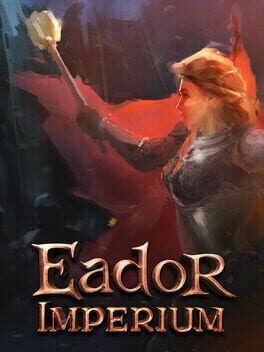
Both Eador: Imperium and Slay the Spire combine turn-based strategy with RPG progression in fantasy settings. Where Slay the Spire builds decks from card rewards, Eador emphasizes hiring heroes and assembling armies through strategic choices. Each game requires managing limited resources between encounters and adapting your approach based on what opportunities arise, creating similar tension between planning and improvisation.
 02Shares AdventureIndieRole-playing (RPG)
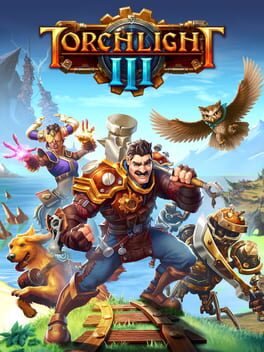
Both games are fantasy-themed indie RPGs built around procedurally generated dungeons and combat encounters. Slay the Spire emphasizes deck-building strategy, while Torchlight III focuses on action-based combat and loot collection, but each rewards players for making tactical decisions between battles. If you enjoy the progression loop and character builds in Slay the Spire, Torchlight III's equipment system and pet companions offer similar depth through different mechanics.
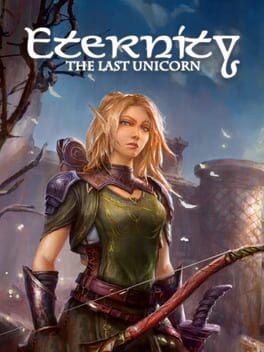 03Shares AdventureIndieRole-playing (RPG)
Both are indie fantasy RPGs with single-player campaigns built around progression through dangerous encounters. Eternity: The Last Unicorn shares Slay the Spire's adventure structure, where you navigate through a world of escalating challenges while developing your character. Where Slay the Spire uses deck-building, Eternity emphasizes classic RPG mechanics and extensive lore, but both reward strategic decision-making across a full campaign.
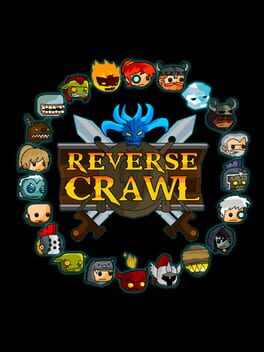 04Shares AdventureIndieRole-playing (RPG)StrategyTurn-based strategy (TBS)
Both Reverse Crawl and Slay the Spire are single-player turn-based strategy RPGs built around tactical combat encounters. Where Slay the Spire has you climb a procedurally generated spire refining your deck, Reverse Crawl flips the script, letting you command minions through a dynamic campaign with branching paths. Each game emphasizes strategic choices between battles and rewards progression through unlockable abilities.
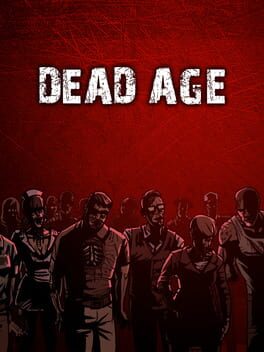 05Shares AdventureIndieRole-playing (RPG)StrategyTurn-based strategy (TBS)
Dead Age shares Slay the Spire's roguelite structure, where runs end permanently and force you to restart, learning from each attempt. Both games emphasize management between encounters—Dead Age has you manage survivors and resources at your camp while Slay the Spire has you manage your deck and relics. Turn-based combat grounds both games in tactical decision-making rather than reflexes.
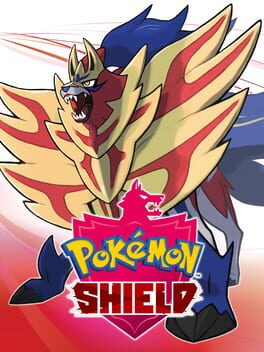 06Shares AdventureRole-playing (RPG)Turn-based strategy (TBS)
Both games center on turn-based combat where you build a roster of units to overcome increasingly difficult opponents. Slay the Spire has you refine a deck of cards mid-run, while Pokémon Shield lets you catch and train creatures, but each game rewards strategic team composition and adapting your approach to counter what enemies throw at you. Progression through both involves climbing a structured gauntlet of challenges.
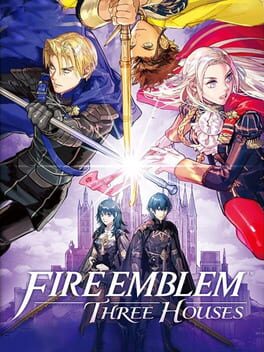 07Shares AdventureRole-playing (RPG)StrategyTurn-based strategy (TBS)
Both games center on turn-based tactical combat where positioning and resource management determine victory. Slay the Spire builds decks through roguelike runs, while Fire Emblem: Three Houses develops units across a full campaign, but each demands careful planning between encounters. Both reward strategic decision-making in fantasy settings, and Three Houses adds relationship-building and multiple story paths that create replay value similar to Spire's procedural variety.
 08Shares Role-playing (RPG)StrategyTurn-based strategy (TBS)
Both Slay the Spire and Tears of Avia center on building synergistic loadouts through strategic choices that determine success. Where Slay the Spire uses deck-building and relics, Tears of Avia offers class and skill combinations across party members. Both games reward experimentation with different configurations and demand careful resource management across turn-based encounters to overcome escalating challenges.
 09Shares AdventureIndieRole-playing (RPG)Strategy
Both games structure exploration around strategic choices that shape your progression through a dangerous galaxy or spire. Star Control shares Slay the Spire's resource management, where you upgrade your ship and crew between encounters rather than building a deck. Each game rewards experimentation across multiple runs, letting you discover new approaches and synergies as you face procedurally varied challenges.
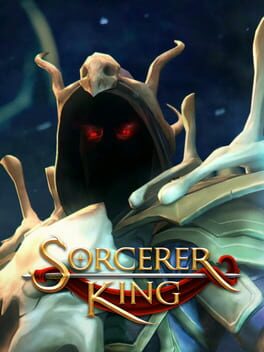 10Shares IndieRole-playing (RPG)StrategyTurn-based strategy (TBS)
Both games strip away traditional victory conditions to focus on survival against overwhelming odds. Sorcerer King shares Slay the Spire's turn-based fantasy strategy framework, but replaces deck-building with 4X management as you rebuild civilization against a single all-powerful enemy. Where Spire emphasizes tactical card choices, Sorcerer King emphasizes strategic resource allocation under constant pressure.
Frequently asked
10 games similar to Slay the Spire: Eador: Imperium, Torchlight III, Eternity: The Last Unicorn, Reverse Crawl, Dead Age, Pokémon Shield, Fire Emblem: Three Houses, Tears of Avia.
Most of these games share Role-playing (RPG), Fantasy, Indie, Strategy and Adventure with Slay the Spire, based on IGDB's similarity data. Each pick has a short note explaining what it has in common with Slay the Spire.