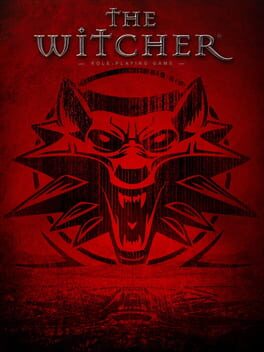
10 games similar to The Witcher, a Adventure, Role-playing (RPG) game, drawn from IGDB's similarity data. Each pick below notes the genres it shares with The Witcher.
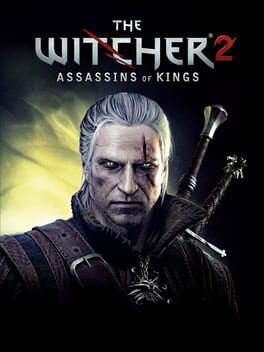 01Shares AdventureRole-playing (RPG)
The Witcher 2 continues Geralt's story as an anti-hero navigating dark fantasy politics and moral choices that shape the branching narrative. Like the original, it grounds combat and monster-hunting in alchemy and crafting systems, drawing from the same book source material. The sequel deepens the creature compendium and expands dialogue-driven storytelling across multiple endings.
Games like The Witcher 2: Assassins of Kings →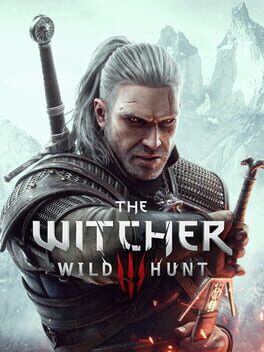 02Shares AdventureRole-playing (RPG)
The Witcher 3 continues Geralt's story in the same dark fantasy world, maintaining the series' focus on monster hunting, alchemy, and moral choices that shape branching narratives. Both games draw from Sapkowski's books and feature a creature compendium alongside bloody combat. The third game expands the formula into an open world while preserving the witcher's core identity as a problem-solver navigating supernatural threats.
Games like The Witcher 3: Wild Hunt →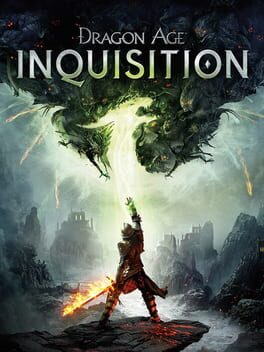 03Shares AdventureRole-playing (RPG)
Both games cast you as a leader solving moral conflicts across a dark fantasy world where mages, dwarves, and elves complicate political strife. The Witcher's branching storyline and moral choices parallel Inquisition's system of allegiances and consequences that reshape the realm. Each demands tactical combat against supernatural threats while building relationships with companions who shape your path forward.
Games like Dragon Age: Inquisition →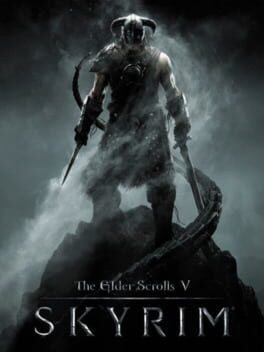 04Shares AdventureRole-playing (RPG)
Both games center on a lone protagonist navigating moral choices across branching storylines set in dark fantasy worlds. Alchemy and potion-crafting anchor your survival in each, while AI companions join you through dangerous encounters. Boss fights and day-night cycles structure exploration and combat similarly. Skyrim expands The Witcher's formula into open-world freedom, but shares its core loop of investigation, preparation through crafting, and confrontation.
Games like The Elder Scrolls V: Skyrim →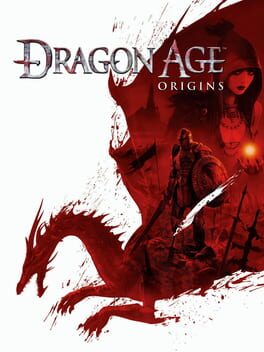 05Shares Role-playing (RPG)
Both games ground their dark fantasy settings in moral complexity, featuring atheism and racism as themes woven through their stories. Dragon Age: Origins shares The Witcher's real-time combat with tactical depth, letting you pause to command companions. Each game uses dialogue trees to shape branching narratives with multiple endings, and both emphasize recruiting allies and managing potions while confronting creatures that threaten civilization.
Games like Dragon Age: Origins →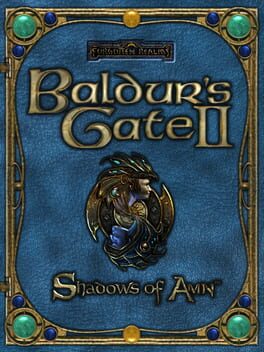 06Shares Role-playing (RPG)
Both games use isometric perspectives and branching dialogue to shape moral choices across fantasy worlds. Baldur's Gate II emphasizes party-based combat and companion relationships, while The Witcher centers on Geralt's solo monster-hunting missions. Yet both reward exploration of side quests, feature day/night cycles, and let you craft your approach through magic, potions, and tactical combat pauses.
Games like Baldur's Gate II: Shadows of Amn →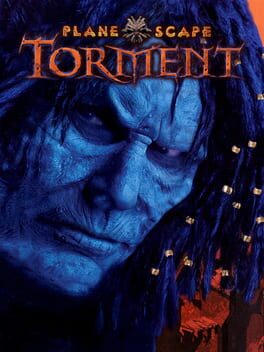 07Shares Role-playing (RPG)
Both games center on amnesiac anti-heroes uncovering fragmented pasts while navigating moral dilemmas across dark fantasy worlds. The Witcher's branching storyline and creature compendium parallel Planescape: Torment's approach to choice and consequence. Each game emphasizes dialogue and investigation over pure combat, letting players piece together mysteries through conversations with companions and NPCs rather than action alone.
Games like Planescape: Torment →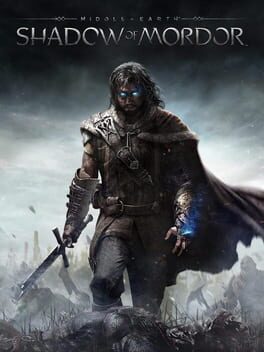 08Shares AdventureRole-playing (RPG)
Both games ground their action-adventure gameplay in beloved fantasy literature, with Mordor drawing from Tolkien as The Witcher adapts Sapkowski's novels. Each casts you as a lone warrior navigating a dark fantasy world, resolving conflicts through combat and moral choices. The third-person perspective and sword-based combat create similar pacing, while both emphasize tracking enemies across open environments to uncover larger conspiracies.
Games like Middle-earth: Shadow of Mordor →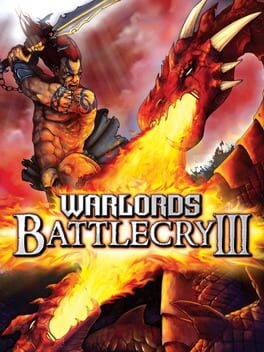 09Shares Role-playing (RPG)
Both games build persistent fantasy heroes through leveling and attribute progression. The Witcher's alchemy and potion crafting appear in Warlords Battlecry III's item trading and hero customization systems. While The Witcher emphasizes solo monster-hunting moral dilemmas, Warlords Battlecry III channels similar character depth into commanding fantasy troops across battles, with bards, magic users, and various races enriching both worlds.
 10Shares AdventureRole-playing (RPG)
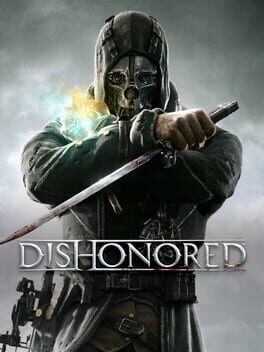
Both games cast you as a morally ambiguous protagonist navigating branching storylines shaped by your choices, with multiple endings reflecting how you approach each objective. The Witcher emphasizes alchemy and potion-crafting for combat preparation, while Dishonored offers supernatural abilities and gadgets for tactical flexibility. Each delivers dark fantasy or steampunk settings where your decisions carry real narrative weight.
Games like Dishonored →
Frequently asked
10 games similar to The Witcher: The Witcher 2: Assassins of Kings, The Witcher 3: Wild Hunt, Dragon Age: Inquisition, The Elder Scrolls V: Skyrim, Dragon Age: Origins, Baldur's Gate II: Shadows of Amn, Planescape: Torment, Middle-earth: Shadow of Mordor.
Most of these games share Role-playing (RPG), Fantasy, Action and Adventure with The Witcher, based on IGDB's similarity data. Each pick has a short note explaining what it has in common with The Witcher.