Deal me a match
Games like Warcraft II: Tides of Darkness
10 games similar to Warcraft II: Tides of Darkness, a Strategy, Real Time Strategy (RTS) game, drawn from IGDB's similarity data. Each pick below notes the genres it shares with Warcraft II: Tides of Darkness.
 01Shares Real Time Strategy (RTS)Strategy
Both games are isometric fantasy RTS titles where you command rival factions through real-time battles involving resource gathering and construction. Each features good versus evil conflict with heroes, mounted units, and melee combat. Battle for Middle-earth II mirrors Warcraft II's structure of building bases, commanding armies with artificial intelligence opponents, and choosing between distinct sides with unique units and abilities.
 02Shares Real Time Strategy (RTS)Strategy
Warcraft: Orcs & Humans is the direct predecessor to Warcraft II, sharing its real-time strategy foundation where you gather resources, build structures, and command melee units across an isometric battlefield. Both games pit Alliance against Horde in campaigns where you choose a faction and destroy enemy forces. The core loop of construction, mining, and unit production remains unchanged, making this the essential starting point for the series.
 03Shares Real Time Strategy (RTS)Strategy
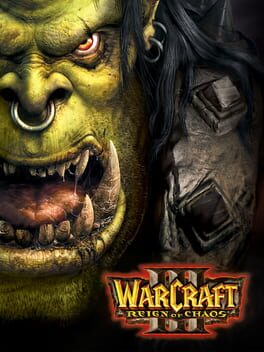
Warcraft III continues the real-time strategy foundation of Warcraft II, pitting the Human Alliance against the Orcish Horde across an isometric battlefield where resource gathering and unit construction drive combat. The sequel expands the fantasy conflict by introducing Night Elves and Undead as playable factions, while adding RPG elements through hero characters that gain experience and abilities during battle.
Games like Warcraft III: Reign of Chaos →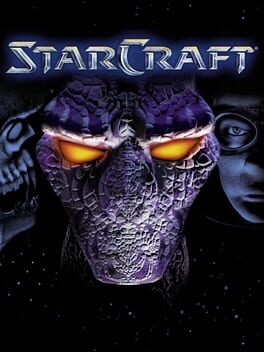 04Shares Real Time Strategy (RTS)Strategy
StarCraft shares Warcraft II's real-time strategy foundation, where you construct buildings, gather resources, and command units across an isometric battlefield. Both games pit rivaling factions against each other through single-player campaigns and competitive multiplayer on Battle.net, with distinct unit rosters and abilities for each side. The conflict between good and evil factions drives both narratives forward.
Games like StarCraft →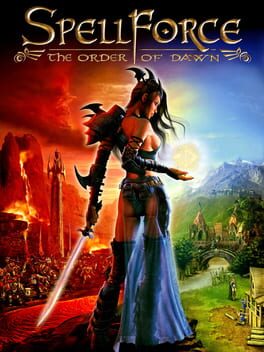 05Shares Real Time Strategy (RTS)Strategy
SpellForce merges RTS strategy with RPG progression in a fantasy setting where you gather resources and command multiple races to build settlements and wage war. Like Warcraft II, it uses an isometric perspective for tactical overview and supports both single-player campaigns and multiplayer skirmishes. The blend of base-building, unit control, and magic-based combat echoes the core RTS loop that defined Warcraft II.
 06Shares Real Time Strategy (RTS)Strategy
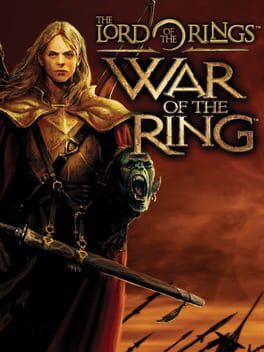
War of the Ring shares Warcraft II's real-time strategy foundation, where you command armies across an isometric battlefield in campaigns pitting good against evil. Both games feature orcs, melee combat, and mounted units within their fantasy settings. War of the Ring draws from Tolkien's books much as Warcraft II adapts Blizzard's lore, grounding each conflict in established mythology while emphasizing large-scale tactical warfare.
 07Shares Real Time Strategy (RTS)Strategy
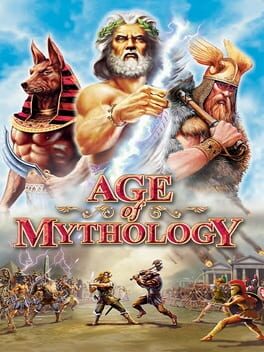
Age of Mythology shares Warcraft II's real-time strategy foundation, where you construct buildings, gather resources, and command melee units from an isometric perspective. Both games pit factions against each other through single-player campaigns and multiplayer skirmishes. Age of Mythology replaces orcs and humans with Greek, Egyptian, and Norse mythologies, but maintains the same core loop of base-building, unit production, and tactical warfare.
Games like Age of Mythology → 08Shares Strategy
Both games use isometric perspectives and real-time combat to blend strategy with action in fantasy settings. They share Battle.net multiplayer infrastructure and support cooperative play alongside single-player campaigns. Diablo's demon invasion and dungeon progression echo Warcraft II's good-versus-evil conflict, while both feature bloody melee combat and artificial intelligence opponents that scale in difficulty.
Games like Diablo →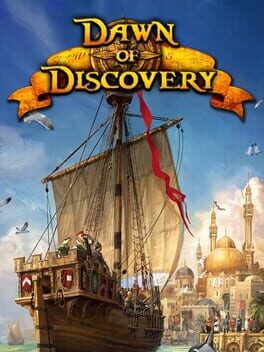 09Shares Real Time Strategy (RTS)Strategy
Both games blend real-time strategy with resource management from an isometric perspective. Where Warcraft II emphasizes military conquest and base construction, Dawn of Discovery shifts focus to economic simulation and city building, yet shares the same foundation of gathering resources, constructing structures, and commanding units across land and sea. Naval warfare appears in both, though Dawn of Discovery integrates it into a trade-focused campaign rather than pure combat.
 10Shares Real Time Strategy (RTS)Strategy
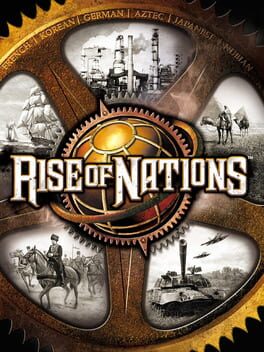
Rise of Nations shares Warcraft II's real-time strategy foundation, where you manage resources like mining and direct military units across an isometric battlefield. Both games emphasize construction and resource gathering alongside combat, and Rise of Nations expands the formula across historical epochs with naval warfare and mounted units. The multiplayer skirmish mode in Rise of Nations echoes Warcraft II's competitive structure.
Frequently asked
10 games similar to Warcraft II: Tides of Darkness: The Lord of the Rings: The Battle for Middle-earth II, Warcraft: Orcs & Humans, Warcraft III: Reign of Chaos, StarCraft, SpellForce: The Order of Dawn, The Lord of the Rings: War of the Ring, Age of Mythology, Diablo.
Most of these games share Strategy, Fantasy and Real Time Strategy (RTS) with Warcraft II: Tides of Darkness, based on IGDB's similarity data. Each pick has a short note explaining what it has in common with Warcraft II: Tides of Darkness.