10 games similar to World of Goo, a Indie, Strategy, Simulator, Puzzle game, drawn from IGDB's similarity data. Each pick below notes the genres it shares with World of Goo.
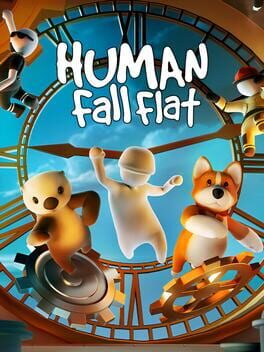 01Shares IndiePuzzleSimulator
Both games build physics-based puzzles around comedy and sandbox construction. World of Goo has you dragging goo blobs to create structures; Human: Fall Flat gives you a wobbly character to manipulate objects through open-ended levels. Each puzzle tolerates multiple solutions, and both reward experimentation over precision. The indie charm and humor shine through in how they treat their mechanics, not as serious challenges but as playgrounds for creative problem-solving.
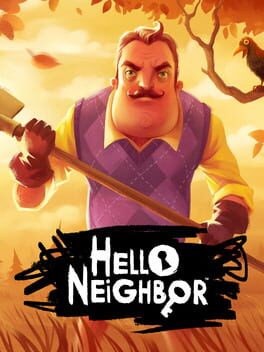 02Shares IndiePuzzleStrategy
Both World of Goo and Hello Neighbor are indie puzzlers with a comedic tone and sandbox structure that reward experimentation. Each game features an adaptive system that responds to your choices: Goo Balls react to physics and construction, while Hello Neighbor's AI learns from your sneaking patterns and adjusts traps accordingly. Both emphasize creative problem-solving through trial and error in self-contained spaces.
 03Shares IndiePuzzle
Both games prioritize comedy and absurdist humor as core appeal, breaking away from serious puzzle conventions. World of Goo uses fourth-wall breaks and fake advertising for laughs, while Use Your Words mines humor from player-written responses and ridiculous prompts. Each is designed for groups (World of Goo supports four-player co-op, Use Your Words plays with friends), making social fun central to the experience rather than competitive challenge.
 04Shares IndieStrategy
Both Endless Legend and World of Goo are indie strategy games centered on construction and resource management. Where World of Goo has you dragging goo to build structures, Endless Legend tasks you with growing food, building industries, and advancing science to survive and expand. Each game rewards experimentation and planning within systems that respond to your choices, though Endless Legend operates at a slower, turn-based pace across a larger strategic scope.
 05Shares IndieSimulatorStrategy
Both games center on building and managing structures under pressure, though Judgment trades World of Goo's physics puzzles and humor for survival strategy. Where Goo Balls construct toward pipes out of curiosity, you build defensive bases against demons in a post-apocalyptic setting. Both are indie simulators that reward creative problem-solving, though Judgment emphasizes resource management and defense rather than construction experimentation.
 06Shares IndieSimulatorStrategy
Both games build systems where you manage resources and adapt to environmental pressures. World of Goo tasks you with constructing structures from living goo balls to solve puzzles, while Unclaimed World has you establish a colony by discovering resources and crafting solutions as conditions shift. Each game emphasizes creative problem-solving within constraints, whether physics-based construction or survival adaptation on an alien world.
 07Junkyard Simulator 2021Shares IndieSimulatorStrategy
Both games use physics as a core mechanic within sandbox environments where you build and manage systems through your own choices. World of Goo emphasizes constructing structures from living components, while Junkyard Simulator focuses on gathering and organizing resources to expand your operation. Each game rewards experimentation and personal problem-solving within a contained, player-driven space rather than following strict objectives.
 08Shares IndieSimulatorStrategy
Both games center on sandbox construction where you build and create freely within their worlds. World of Goo emphasizes physics-based puzzle building with goo structures, while Force of Nature expands that creative impulse across crafting, farming, and construction systems. The indie strategy approach in both rewards experimentation and player agency, though Force of Nature scales up to an open world where building serves survival and exploration rather than puzzle solving.
 09Shares IndiePuzzleSimulatorStrategy
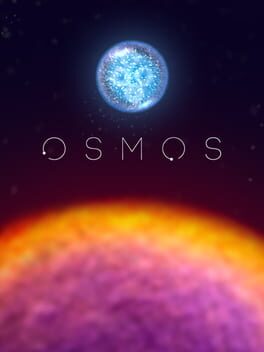
Both Osmos and World of Goo are physics-based puzzle games built around gravity and abstract visuals, earning recognition at the IGF Awards. Where World of Goo has you construct structures by dragging goo, Osmos strips the concept to its essence: you grow by absorbing smaller objects while managing your own mass through ejection. Both reward patient, deliberate play and arrive as indie productions with minimalist design sensibilities.
 10Shares IndiePuzzleStrategy
Both games deliver comedy through absurd premises and irreverent humor, from World of Goo's fake corporate satire to Jackbox Party Pack 3's ridiculous game-show scenarios. Each supports multiplayer fun, whether building goo structures together or competing in party minigames. Both are indie productions that earned achievements recognition, offering lighthearted experiences designed for groups seeking creative, laugh-driven entertainment.
Frequently asked
10 games similar to World of Goo: Human: Fall Flat, Hello Neighbor, Use Your Words, Endless Legend, Judgment: Apocalypse Survival Simulation, Unclaimed World, Junkyard Simulator, Force of Nature.
Most of these games share Indie, Strategy, Simulator, Puzzle and Sandbox with World of Goo, based on IGDB's similarity data. Each pick has a short note explaining what it has in common with World of Goo.