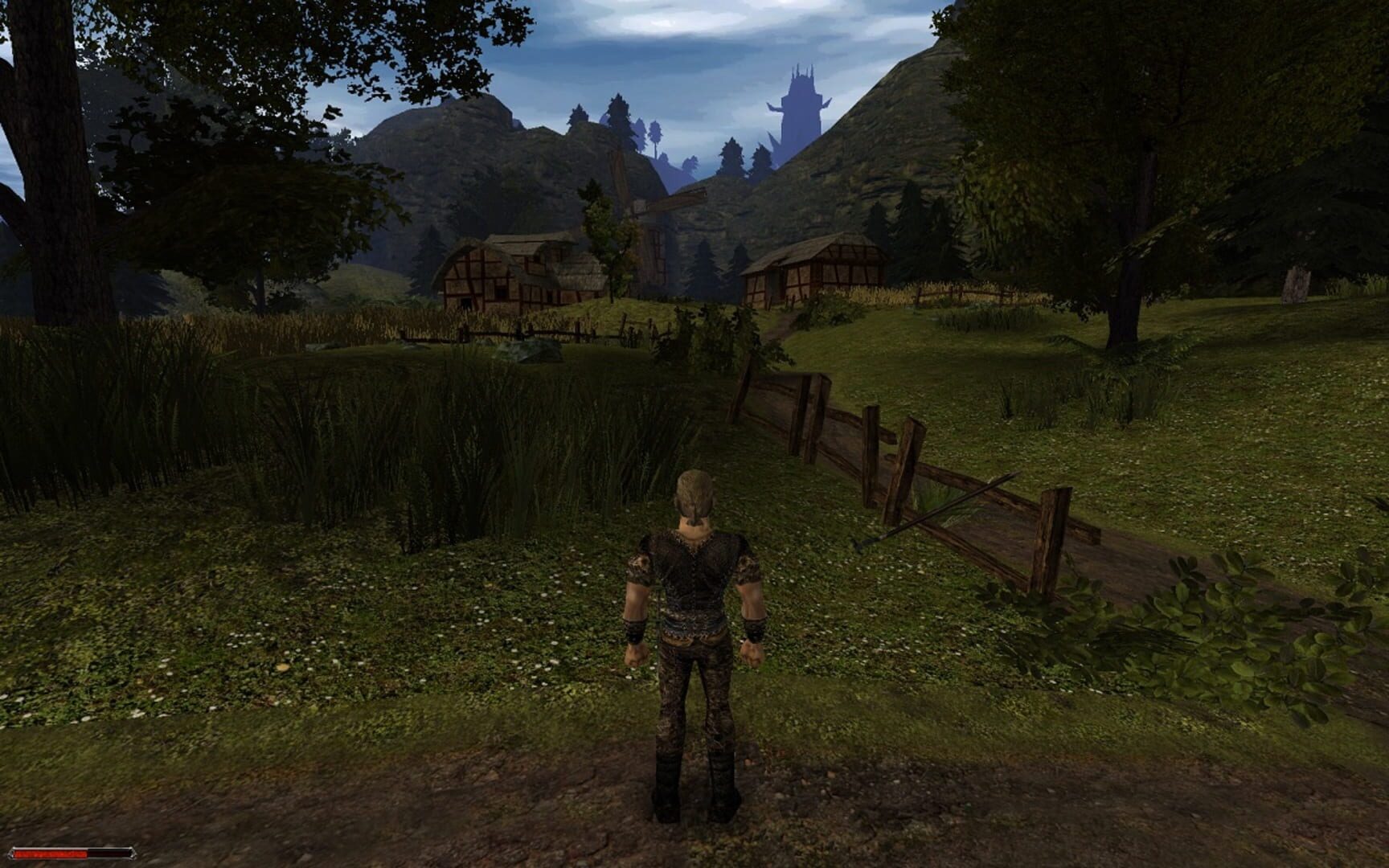
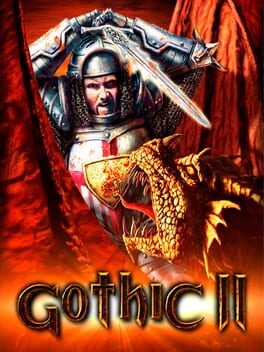
Deal me a match
Games like Gothic II
10 games similar to Gothic II, a Strategy, Adventure, Role-playing (RPG) game, drawn from IGDB's similarity data. Each pick below notes the genres it shares with Gothic II.
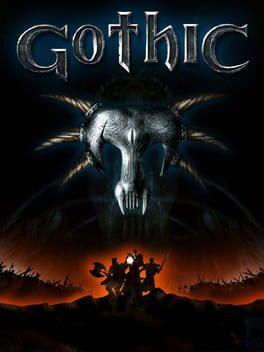 01Shares AdventureRole-playing (RPG)
Gothic shares Gothic II's core structure of joining one of three factions to progress through an open fantasy world, where your choice shapes which abilities and story paths you access. Both games emphasize learning skills from NPCs, crafting weapons at blacksmiths, and navigating morally gray choices. The first Gothic establishes the series' trademark blend of exploration, faction politics, and combat that Gothic II refines.
Games like Gothic →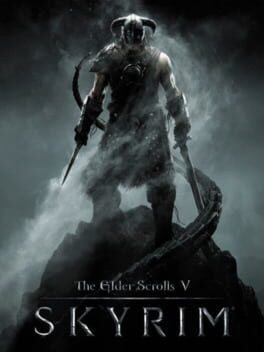 02Shares AdventureRole-playing (RPG)
Both games drop you into sprawling fantasy worlds where you join factions to progress the main quest, and both reward exploration with loot, alchemy ingredients, and crafting materials scattered across open terrain. Skyrim shares Gothic II's emphasis on dialogue choices that shape your path through the story, plus comparable mechanics like archery, magic, and stealth combat that let you tackle encounters multiple ways.
Games like The Elder Scrolls V: Skyrim →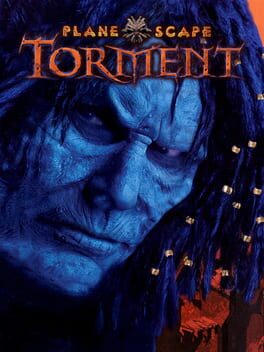 03Shares Role-playing (RPG)Strategy
Both games center on a nameless protagonist navigating faction-driven worlds through dialogue trees and moral choices that reshape your path. Gothic II demands you join competing groups to progress; Torment similarly has you gather conflicted companions and navigate the consequences of past decisions. Each emphasizes character attributes and class changes, letting you define your role through RPG mechanics rather than linear storytelling.
Games like Planescape: Torment →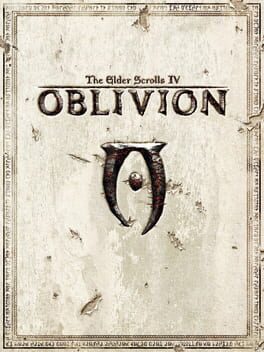 04Shares AdventureRole-playing (RPG)
Both games center on stopping a demon invasion threatening your world, requiring you to navigate faction politics and join different groups to advance. They share open-world exploration with day/night cycles, alchemy crafting, and attribute-based character progression. Gothic II's emphasis on choosing sides among militia, mages, and mercenaries parallels Oblivion's guild-driven questlines, giving both games a similar structure of allegiance and consequence.
Games like The Elder Scrolls IV: Oblivion →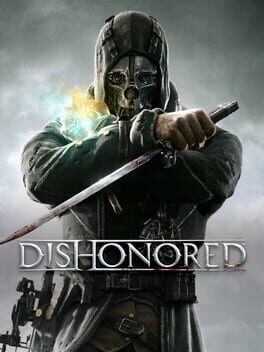 05Shares AdventureRole-playing (RPG)
Both games blend stealth and direct action, letting you approach objectives through multiple paths. Gothic II's faction-based progression mirrors Dishonored's branching storyline, where your choices shape the outcome. Each emphasizes acrobatics and environmental navigation, rewarding creative problem-solving over linear solutions. The supernatural elements—magic in Gothic II, otherworldly powers in Dishonored—drive both narratives of revenge and moral consequence.
Games like Dishonored →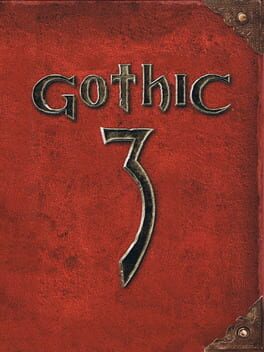 06Shares AdventureRole-playing (RPG)
Gothic 3 continues the Nameless Hero's journey across a larger open world where you again choose between factions and navigate moral decisions that reshape the story. Like Gothic II, it combines real-time combat with alchemy and crafting, and maintains the series' day/night cycle and dinosaur encounters. The sequel expands the formula rather than abandoning it, keeping the same deliberate, systems-driven RPG design.
 07Shares AdventureRole-playing (RPG)Strategy
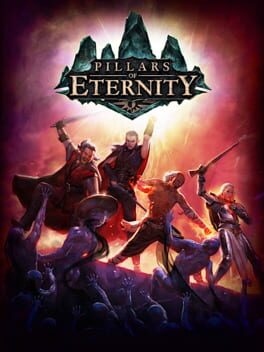
Both Gothic II and Pillars of Eternity are party-based fantasy RPGs where dialogue trees and moral choices shape your adventure. Each game emphasizes character attributes and progression as you gather companions and explore dangerous dungeons. While Gothic II uses real-time combat and a third-person perspective, Pillars of Eternity captures that same sense of leading a band of allies through monster-infested ruins in search of ancient mysteries and lost treasures.
 08Shares AdventureRole-playing (RPG)
Both games cast you as a nameless protagonist arriving in a foreign land caught between warring factions, where joining a guild or faction becomes essential to progress. Each combines real-time combat with alchemy and attribute-based character growth, letting you craft your own playstyle. Open-world exploration and a day/night cycle ground both in immersive fantasy settings where your choices reshape political allegiances.
Games like The Elder Scrolls III: Morrowind →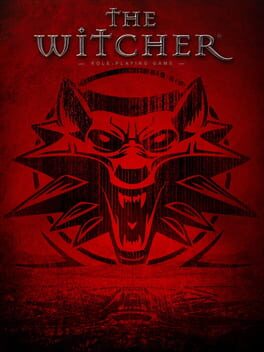 09Shares AdventureRole-playing (RPG)
Both games ground their fantasy worlds in alchemy and crafting systems that feel integral to survival rather than optional. The Witcher shares Gothic II's day/night cycle and dialogue trees that let you navigate moral choices and faction politics. Each game casts you as an outsider solving others' problems across a dark fantasy setting, where combat and conversation carry equal weight.
Games like The Witcher →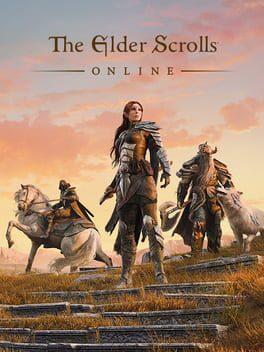 10Shares AdventureRole-playing (RPG)
Both games are open-world fantasy RPGs where you join factions and engage in real-time combat with swords, bows, and magic. The Elder Scrolls Online shares Gothic II's emphasis on crafting and potion-making to prepare for threats, plus a storyline involving demonic invasion (Molag Bal's Dark Anchors mirror the dragon threat). Guild membership gates progression in both games.
Games like The Elder Scrolls Online →
Frequently asked
10 games similar to Gothic II: Gothic, The Elder Scrolls V: Skyrim, Planescape: Torment, The Elder Scrolls IV: Oblivion, Dishonored, Gothic 3, Pillars of Eternity, The Elder Scrolls III: Morrowind.
Most of these games share Role-playing (RPG), Fantasy, Adventure, Action and Open world with Gothic II, based on IGDB's similarity data. Each pick has a short note explaining what it has in common with Gothic II.